Early Detection
Small cavities, gum inflammation, and even signs of oral cancer can develop quietly. Routine exams catch problems before they become serious.
Ever sat in the parking lot wondering what's about to happen? Here's your first-hand, step-by-step guide to exactly what goes on during a routine dental checkup — and why it's simpler and quicker than you think.
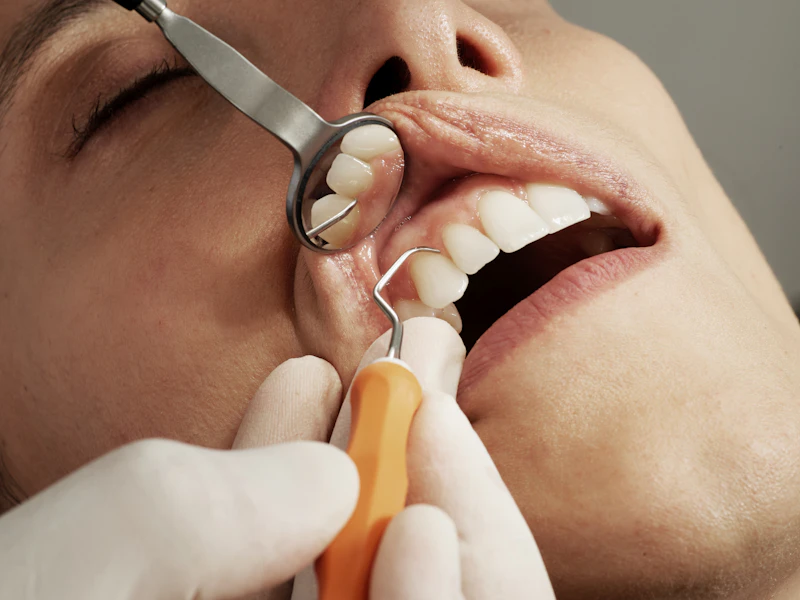
Most of us only think about our teeth when something hurts. But dental problems often begin long before you notice any pain.
Small cavities, gum inflammation, and even signs of oral cancer can develop quietly. Routine exams catch problems before they become serious.
Professional cleanings remove plaque and tartar buildup that regular brushing simply can't eliminate, protecting your gums long-term.
Catching issues early means simpler, less expensive treatment. A small filling today can prevent a root canal tomorrow.
Your dentist checks your tongue, lips, cheeks, and throat for unusual changes — a quick, painless, and potentially life-saving step.
Understanding what happens during your exam helps eliminate fear. Knowledge is the best antidote to dental anxiety.
Professional polishing removes surface stains and leaves your mouth feeling incredibly clean — the most satisfying part of the visit.
After checking in, you'll be asked about any changes in your health history. This may include new medications, recent surgeries, allergies, medical conditions, and any dental concerns or symptoms.
Your oral health is closely connected to your overall health. Certain medical conditions can affect your gums, teeth, and healing ability.
Practical takeaway: Don't hold back questions or concerns. The more information you share, the better your dentist can help.

You might not need X-rays at every appointment, but they're often part of a routine dental exam. Dentists can't see everything with their eyes alone.
X-rays help identify hidden cavities, bone loss, impacted teeth, infections, and developing dental problems before they become visible or painful.
Practical takeaway: Modern digital X-rays use significantly less radiation than older systems. If your dentist recommends them, they're looking for issues invisible to the naked eye.

For many people, this is the most satisfying part. The dental hygienist removes plaque and tartar buildup from your teeth — even in areas that are simply hard to reach with regular brushing.
The cleaning process includes plaque and tartar removal, deep polishing with a special paste, thorough flossing between every tooth, and an optional fluoride treatment to strengthen enamel.
Practical takeaway: Professional cleanings remove buildup that regular brushing simply can't eliminate.

Once your teeth are cleaned, the dentist performs a thorough examination. This is where the routine dental exam becomes especially valuable.
Your dentist checks every tooth for decay, cracks, or damage, examines your gums for disease and inflammation, evaluates existing dental work, and assesses your bite and jaw alignment.
Practical takeaway: A routine exam isn't only about cavities. Your dentist evaluates your entire oral health system.
Many patients don't realize this step is happening, but it's one of the most important parts of your visit. During a routine dental exam, dentists perform a quick oral cancer screening.
This involves checking your tongue, lips, cheeks, roof of the mouth, throat tissues, and neck area for unusual lumps, discoloration, or tissue changes.
Practical takeaway: The screening is quick, painless, and potentially life-saving. Regular visits play a vital role in early detection.

A quick reference guide to every step of your checkup and why each one matters.
| Step | What Happens | Why It Matters |
|---|---|---|
| Health Review | Discuss medical history and concerns | Identifies risk factors that affect oral health |
| X-Rays | Images of teeth and jaw structure | Detects hidden issues invisible to the eye |
| Professional Cleaning | Removes plaque and tartar buildup | Prevents decay, gum disease, and bad breath |
| Dental Examination | Checks teeth, gums, and existing work | Finds problems early before they worsen |
| Oral Cancer Screening | Examines soft tissues in mouth and neck | Supports early detection of serious conditions |
| Treatment Discussion | Reviews findings and recommendations | Creates a personalized prevention plan |
An honest look at what to expect — the benefits far outweigh the drawbacks for most people.
Generally, dentists recommend a routine dental exam every six months. However, some individuals may need more frequent visits based on their specific oral health needs.
You may need more frequent checkups if you have gum disease, frequent cavities, diabetes, a smoking history, or other ongoing oral health concerns.
Practical takeaway: Follow your dentist's personalized recommendations rather than relying solely on a standard timeline.
Now that you know exactly what to expect, there's nothing to worry about. A routine dental exam is one of the best things you can do for your oral health — and it's simpler than you think.